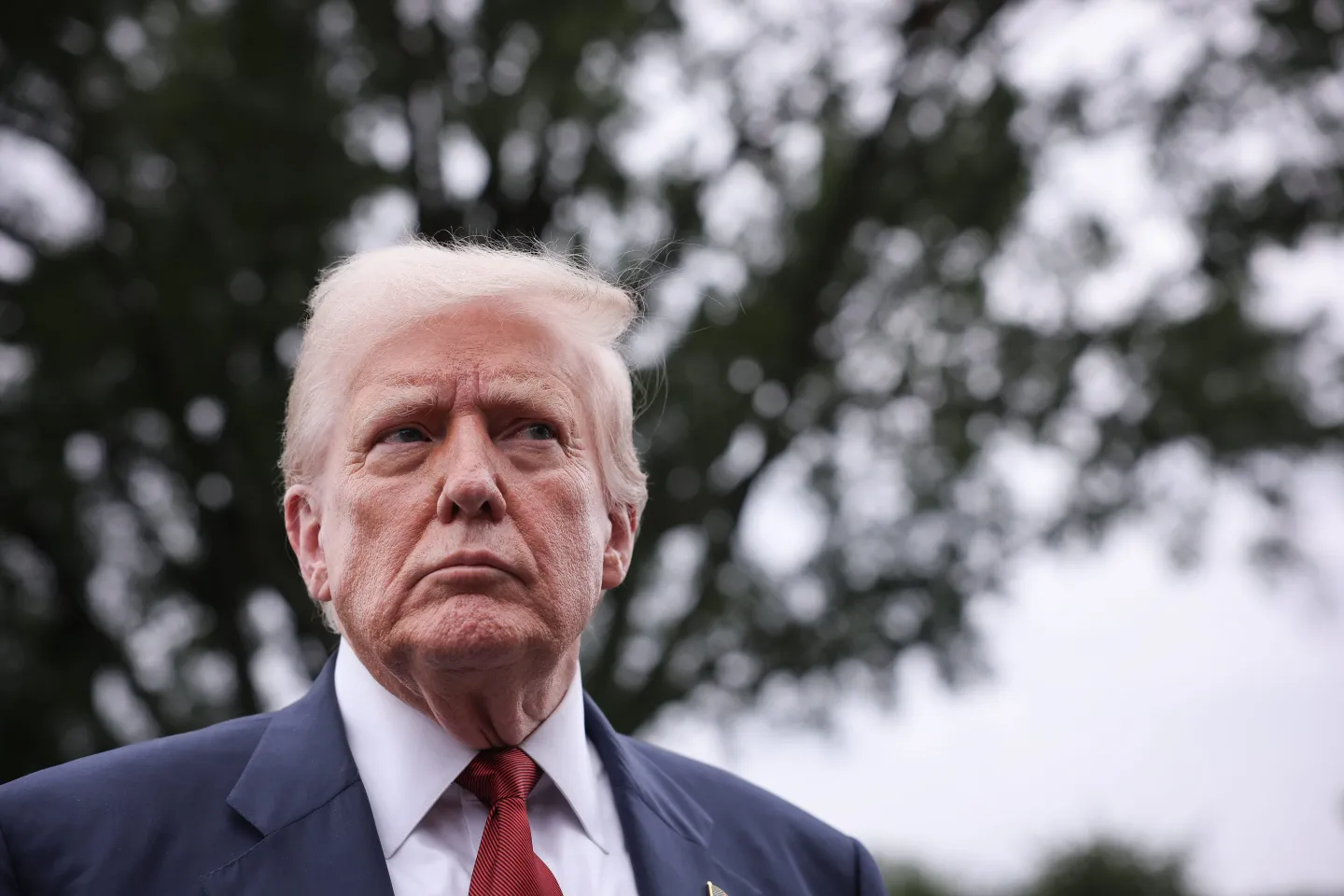
President Trump has repeatedly said his sweeping tariff program will “pay down our debt.” The claim, simple and politically potent, has helped sell a narrative of fiscal toughness. Yet many economists and budget watchdogs say the math, the legal fights, and the economic side effects make that outcome unlikely.
Investors noticed. Markets have grown jittery whenever tariff rhetoric spikes, and bond traders warn that durable revenue gains don’t guarantee lower deficits if spending and interest costs keep rising. As reported by Millionaire MNL, the headlines have pushed yields and risk premiums higher in sensitive corners of the market.
What the numbers actually show
On paper, tariffs have raised a lot of money. The Congressional Budget Office and other budget analysts project hundreds of billions in additional tariff revenue over the next decade under the policies announced so far. Those tallies, however, rely on static accounting that does not fully account for second-order effects, slower growth, higher consumer prices, and retaliatory tariffs from trading partners.
In practice, the Treasury has posted a sharp year-over-year increase in customs receipts. Still, the U.S. budget deficit stayed stubbornly large because mandatory spending and rising interest payments continue to outpace revenue gains. In short, tariffs are helping the revenue line, but they’re not yet reversing the broader fiscal trajectory.
The economic trade-offs
Tariffs act like taxes on imports. That raises prices for U.S. businesses and consumers, and it can squeeze real incomes. Universities and think tanks find that households, especially lower-income ones, bear a disproportionate share of the burden. The Yale Budget Lab and others estimate meaningful increases in the price level and significant welfare losses for many families if the tariffs remain in force.
Moreover, tariffs can depress long-run growth. Dynamic models from the Wharton and Penn groups show that persistent trade barriers could shrink GDP over time and lower wages, outcomes that undercut the very tax base tariffs are supposed to bolster. That’s why some analysts caution that short-run revenue gains might come at the cost of long-run revenues.
Legal and political headwinds
A crucial complication is legal risk. U.S. courts have already questioned parts of the administration’s emergency tariff authority, and some tariff lines face ongoing litigation. If courts roll back the measures, projected revenues will fall, and fast. Independent watchdogs note that CBO and other official tallies often assume tariffs remain in place; that assumption is politically and legally fragile.
Politically, tariffs invite retaliation. Trading partners can impose counter-tariffs on U.S. exports, hurting manufacturers and farmers who depend on open markets. The result can be a policy loop where tariffs hurt constituencies the administration wants to protect, forcing further intervention and spending. That reduces the fiscal space available to actually “pay down” the debt.
Why revenue isn’t the same as debt reduction
Even sizable tariff receipts don’t automatically cut the headline debt. Debt dynamics depend on the gap between total revenues and total outlays, including interest. Right now, interest costs and entitlement spending drive the lion’s share of deficit growth. Without meaningful spending restraint or structural reform, new tariff revenue will likely be absorbed by rising obligations rather than used to materially lower the gross debt.
In addition, some budget groups use “static” and “dynamic” scoring differently. Static numbers show tariffs raising large sums if you hold behavior constant. Dynamic scores that account for slower economic activity and market responses generally cut revenue projections substantially. The fiscal picture brightens under the static view and looks much less rosy under the dynamic one.
What investors should watch
Markets will price policy risk, not promises. That means investors should watch (1) legal rulings on tariff authority, (2) the pace of defensive price increases in consumer sectors, (3) broader economic growth and wage trends, and (4) whether Washington enacts offsetting spending reductions. If tariffs trigger inflation that forces the Fed to keep rates higher, any revenue gains could be crowded out by soaring interest costs, an outcome that would perversely increase the debt burden.
Millionaire MNL has tracked how headlines alone can move markets. Today’s tariff rhetoric may prove transient. But if tariffs become a long-run feature of policy, the economic drag and distributional harm could undo the narrow fiscal wins that headline revenue numbers suggest.